This post was originally written in Turkish and translated into English with AI.
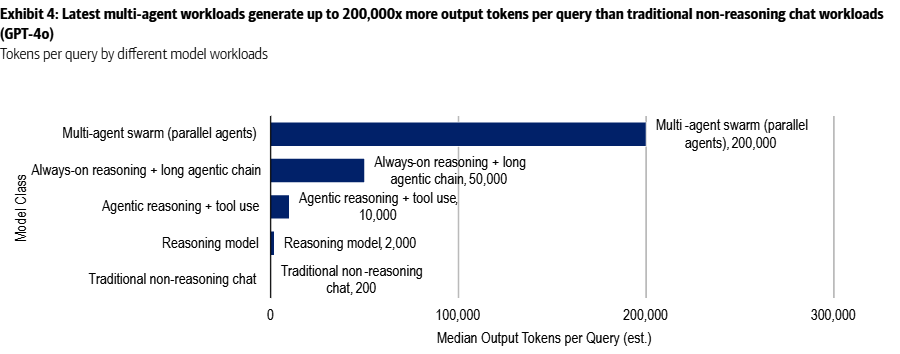
It has been nearly four years since the first LLM models. Along the way, many of us signed up, spent money, and helped these models spread far and wide. OpenAI is now approaching 1 billion users, while global token consumption has grown exponentially. Prompts became progressively more complex and interconnected. We chained different agentic models together to get longer, higher-quality results. And while all of this was happening, giant companies emerged that generate no cash and burn through a single funding round in short order.
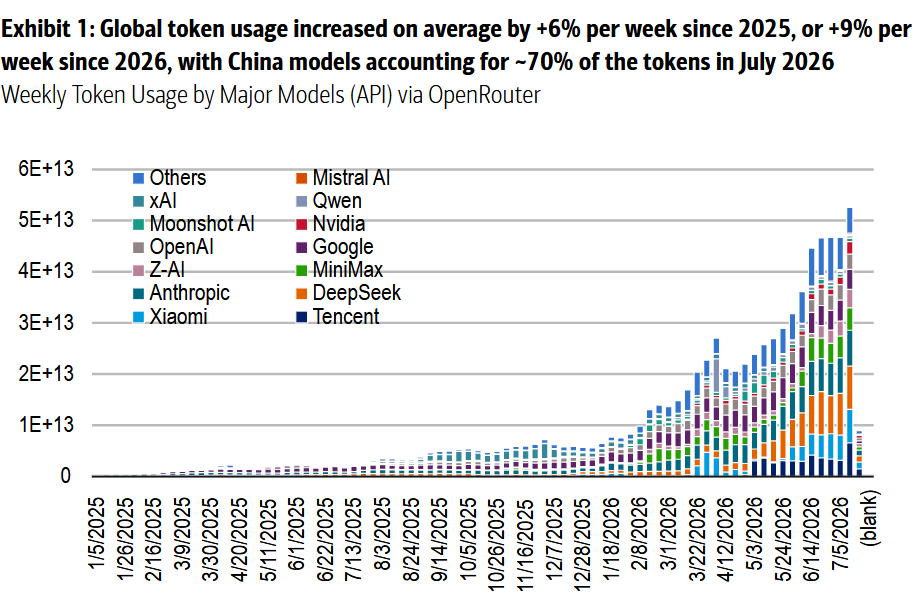
I decided to write this piece after reading the commentary circulating online. Plenty of claims have been made about the leading LLM companies we call frontier labs (OpenAI, Anthropic): that their business models cannot be sustained by selling $200 subscriptions, that the data centers will one day turn into dead concrete, and that this whole bubble will eventually pop or deflate. I want to approach the subject from exactly the opposite direction.
The frontier lab business model was never about the $100-200 that average people pay to draft Substack posts or generate images and video. Those are tasks any low-cost LLM can handle today. For pioneers like OpenAI and Anthropic, the real business, B2B and the vast infrastructure being built around it, is only just beginning.
The New Business Model
Between 2023 and 2025, the frontier labs’ main source of revenue was selling tokens. In this B2C-heavy model, which we might call “token-based utility,” a token was no different from a traded commodity: switching costs were near zero, users changed models with a single click, and no loyalty formed beyond reaching the strongest model at the lowest price. It was a structure condemned to price competition, with margins in constant erosion. Today we are moving into a different era: the precondition for solving long, complex problems is no longer tokens bought on demand but compute reserved in advance. In this “reserved compute” era, compute stops being a pay-as-you-go service and becomes a commodity whose capacity is locked up by contract years ahead of time.
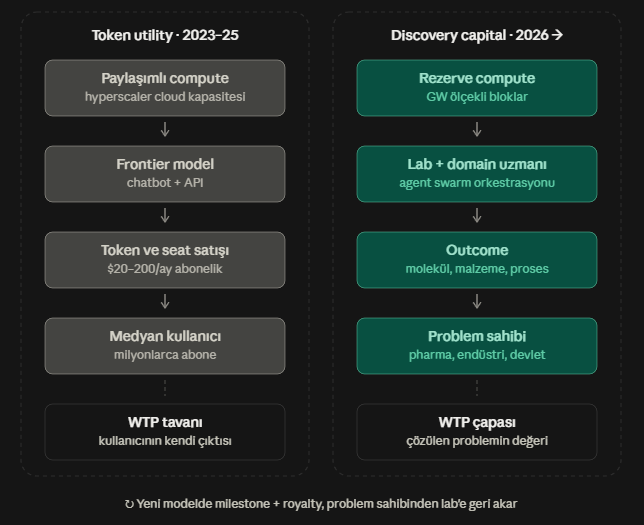
The biggest effect of this transition on the business model is that the product being sold changes. Tokens were an intermediary business; agentic systems built on reserved compute sell not the intermediary but the work itself. The money paid to a coding agent now comes out of the labor budget, not the software budget, and the labor budget is a market many times the size of software spending. From here on, frontier labs will grow not by selling $200 subscriptions but by bidding for corporations’ payroll lines. This argument has been around for a while, but we are only now starting to see its effects come through gradually.
The same transition also removes the first era’s greatest weakness. Switching models in a chat window was a costless, one-click operation. Ripping out an agent embedded in a corporation’s workflows and data pipelines is a serious organizational cost. Once a model settles into the operation, competition shifts away from price toward reliability and depth of integration, much as I described in my cybersecurity piece. Nor do cheap open-source models kill the frontier labs; they lighten the load. Routine tasks go to small models, and the genuinely hard problems go to the frontier.
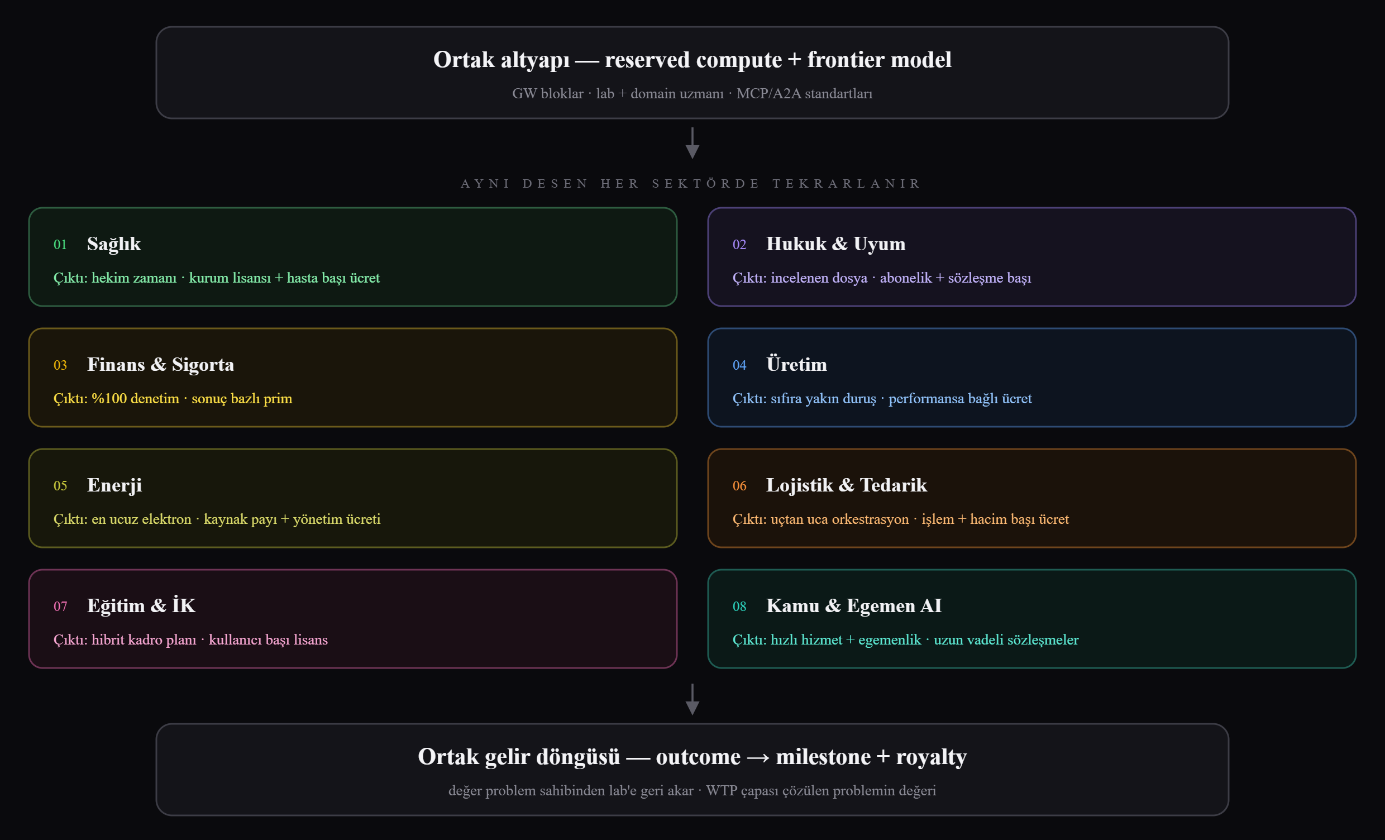
Healthcare is the most fertile ground in this economy. The sector’s chronic problem is not a lack of knowledge but the burden of coordination and documentation. A serious share of physicians’ hours goes to back-and-forth on the clinical and insurance sides. Ambient scribe agents that listen to the exam and write the note themselves, services that automate prior authorization, and digital health staff that run post-discharge follow-up are spreading step by step. Because working with patient data requires regulation and deep integration into hospital systems, a general-purpose competitor will struggle to copy this business. The model runs on an institutional license plus a per-patient fee, and it has nothing to do with consumer subscriptions.
Law is where the shift from a token economy to an outcome economy will be most visible. Contract review, regulatory monitoring, and litigation prep were labor-intensive jobs billed by the hour. Agents are turning them into services priced per contract or per regulation tracked. This also poses a threat to the billable-hour model itself. When the client stops paying by the hour, value can migrate from the law firm to the software layer. Getting work done as fast as possible will become a requirement for maximizing profit, and agentic AI applications, done well, can force exactly that. The compliance side is separately interesting. Regulation is fragmented, jurisdiction-specific, and constantly changing. Subscription services that track every change and push it into the client’s processes can become far more fluid with the frontier models’ strength on long, complex problems.
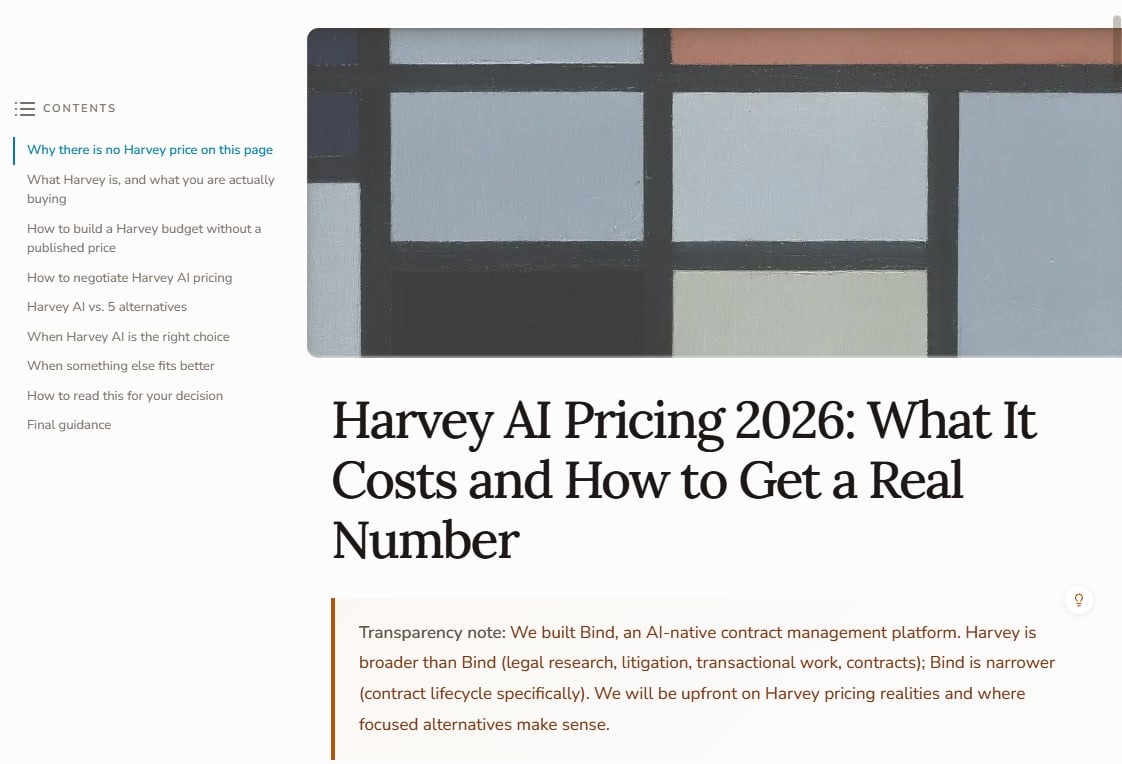
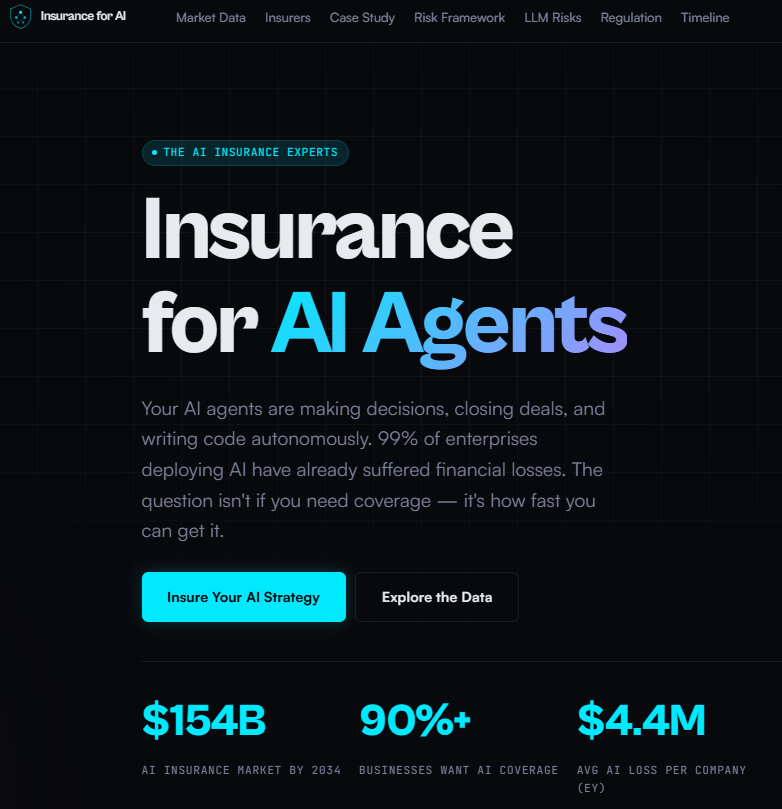
In finance, the easiest place for agents to slot in is audit and controls. Continuous transaction monitoring, anomaly and fraud detection, and regulatory reporting all fall in this scope. These departments can thus stop being cost centers and become products. Another branch is the insurance market being built around the damage AI agents might cause. Insurance agents arriving to replace the humans who audit agents’ decision-making and workflow accuracy could give rise to a whole secondary market.
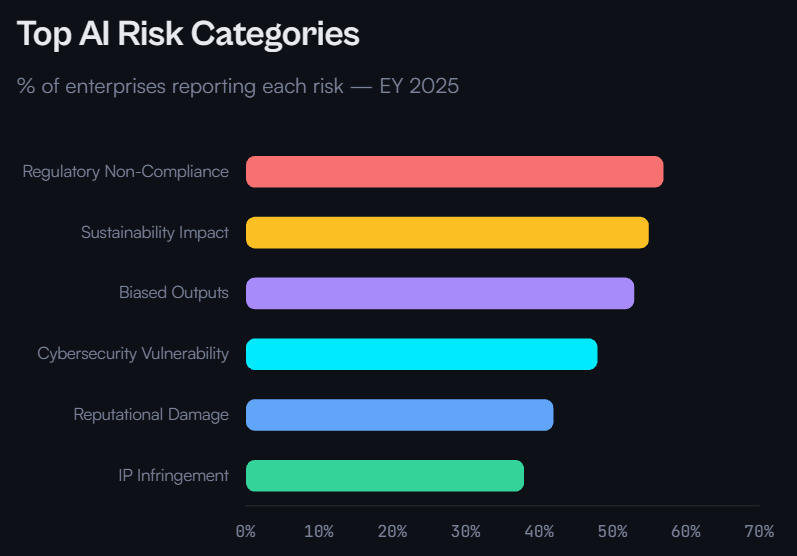
As for energy, AI is both its biggest input and its biggest customer. Data center demand is turning grid management into the largest optimization problem in history, and balancing, demand forecasting, and outage prevention are areas where AI applies easily. The second layer is autonomous energy trading. Agents that buy in the cheapest hour, sell excess capacity, and process weather and price signals in real time are already being built. The third layer is integrated facility operation, combining generation and the data center on the same balance sheet. Energy infrastructure is measured in decades, so the customer relationship here is just as long-lived.
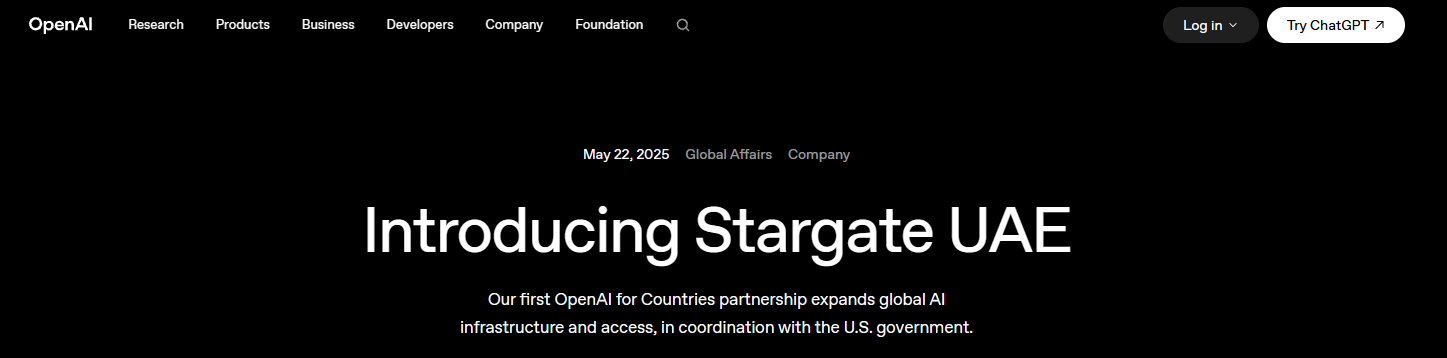
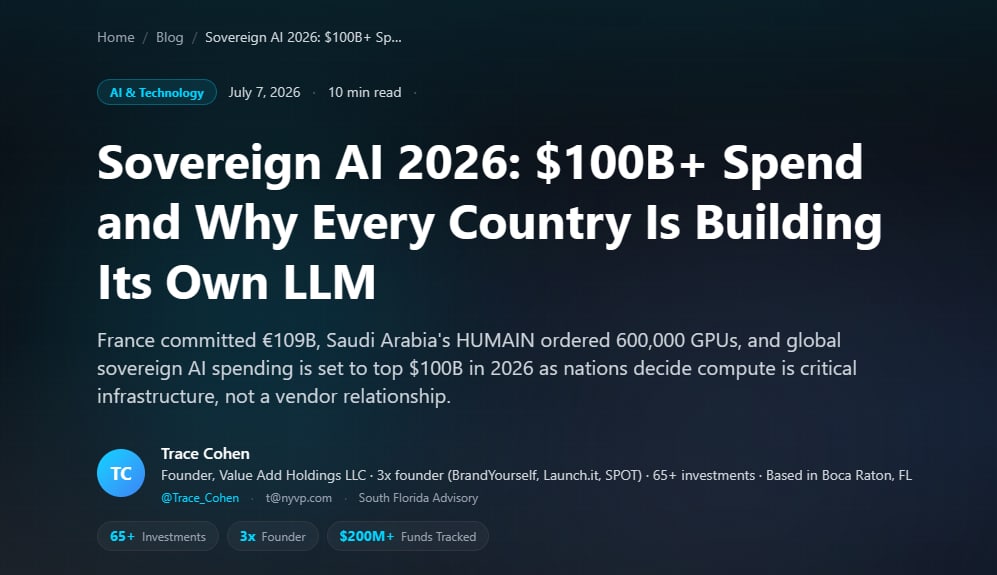
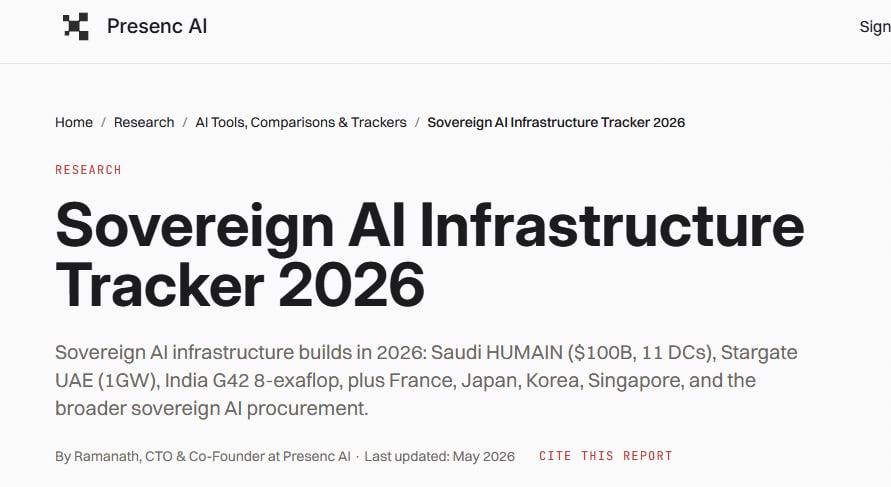
Many more examples could be given, but the last and perhaps biggest customer is the state. Citizen-facing agents running public services, country-scale cloud systems, and local model services built for data sovereignty are all coming. The appeal of this market lies in the contract structure. Long-term, high-barrier, and far more predictable revenue than the consumer. As governments come to treat compute as critical infrastructure alongside roads and electricity, they will feed exactly the new business model this piece began with.
Disclaimer
This post has been prepared for informational purposes only and does not constitute investment advice, a recommendation to buy or sell, or an offer relating to any security. The views and analyses expressed here reflect the author’s personal assessments and do not represent the official view of any institution he is affiliated with. Past performance is no guarantee of future results. Every investment carries risk; investors should do their own research and consult a licensed investment advisor where necessary.